 English
 中文
中文 Pусский
 Español
  عربى
عربى Français
  Português
 Deutsch


-
Products
-
Solutions
- About Us
- Careers
- Exhibition Hall
-
Switch Language

When seconds count and hope hangs in the balance, the difference between life and death often comes down to the tools in the hands of rescuers. In Brazil, the national mobile emergency care service, SAMU 192, has embraced lifesaving innovation through the Amoul® CPR E6 device—a leap forward in cardiopulmonary resuscitation (CPR) technology. This is the true story of a dramatic rescue, the power of partnership, and how cutting-edge equipment is rewriting the odds for critical patients. Join us as we follow the journey of a 40-year-old explosion victim whose life was saved, and discover why investing in the latest CPR technology is vital for every emergency response team.
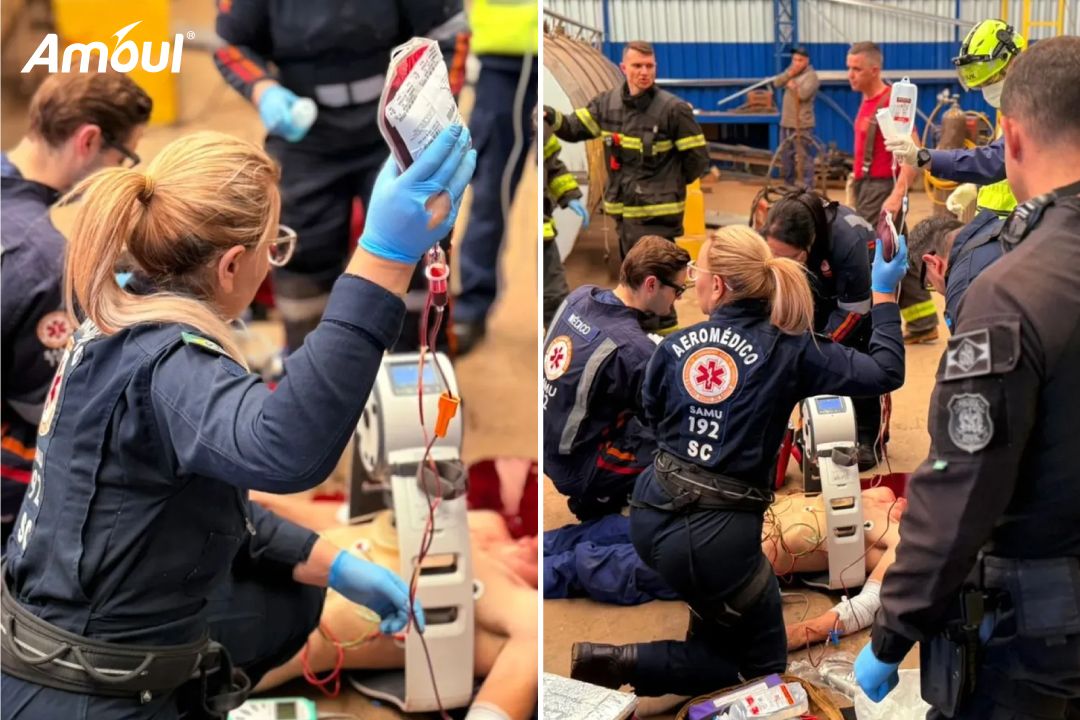
On an ordinary day in the city of Chapecó, Brazil, the extraordinary happened. A sudden explosion left a 40-year-old man gravely injured, his life teetering on the edge. The emergency call summoned the rapid response of SAMU 192's highly skilled team, who arrived on scene with one mission: to save a life against the clock.
The situation was critical. The victim had suffered cardiorespiratory arrest as a result of his injuries. Traditional resuscitation methods alone might not have been enough. But this was no ordinary rescue—this was a showcase of how modern technology and expert training converge to change destinies.
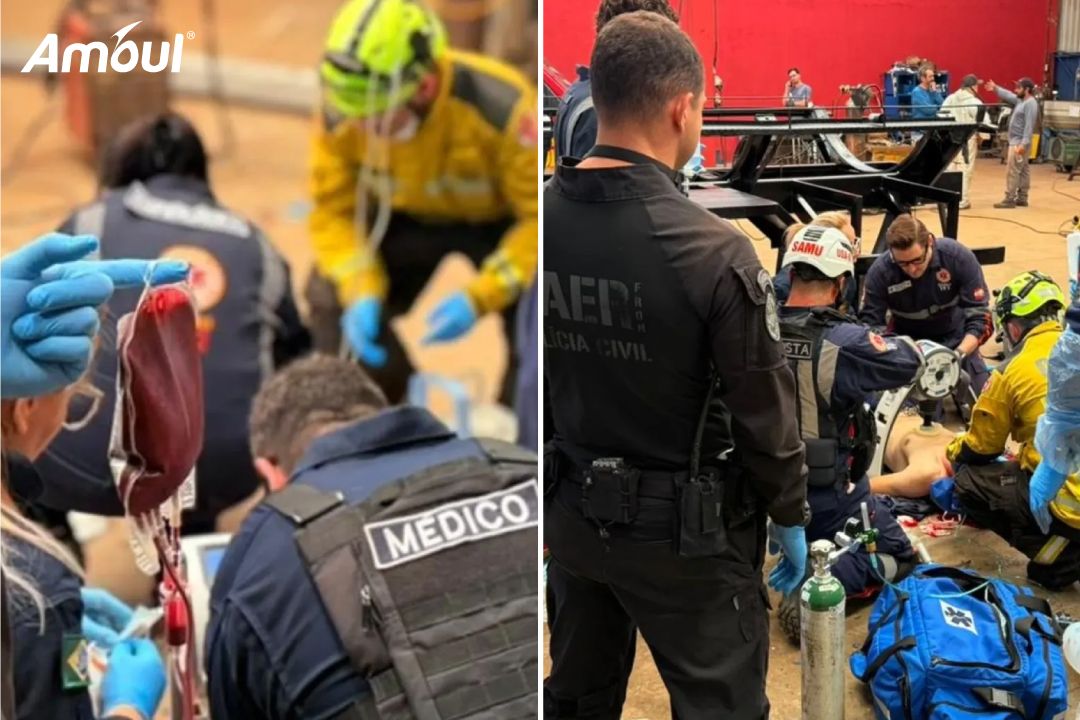
Behind every successful rescue lies a story of preparation, teamwork, and innovation. SAMU 192's partnerships to bring the most advanced equipment and tools ensured that their teams had access not just to training, but to state-of-the-art medical devices. Among these, the Amoul® CPR E6 stood out.
This device, a marvel of modern engineering, delivers precise, consistent chest compressions—exactly as recommended by both the American Heart Association (AHA) and European Resuscitation Council (ERC). Unlike manual compressions, which can vary in quality as rescuers tire or conditions worsen, the E6 guarantees the same optimal depth and rate with every compression, every time. It's built for the realities of chaos: rapid deployment, easy operation, and compatibility with transport and hospital environments alike.
But the E6 isn't just about mechanics. It's about data-driven care. By monitoring patient CO2 levels and providing synchronized CPR with ventilators, it empowers teams to make informed, real-time decisions that can tip the balance in favor of life.
In the Chapecó incident, the team's training and equipment were put to the ultimate test. With precious minutes slipping away, they initiated the Whole Blood program—an advanced transfusion protocol designed to quickly stabilize trauma victims. Simultaneously, they deployed the Amoul® CPR E6, initiating automated chest compressions on the victim.
The results were immediate and profound. The combination of prompt blood transfusion and flawless, fatigue-free CPR reversed the patient's cardiorespiratory arrest. The victim's circulation and oxygenation returned, and complications that might have arisen from delayed or inefficient manual CPR were dramatically reduced.
With his condition stabilized by this powerful blend of human expertise and advanced technology, the patient was quickly transported to the hospital for ongoing care. He had been given a second chance at life—a testament to what is possible when rescue teams are equipped for the future.
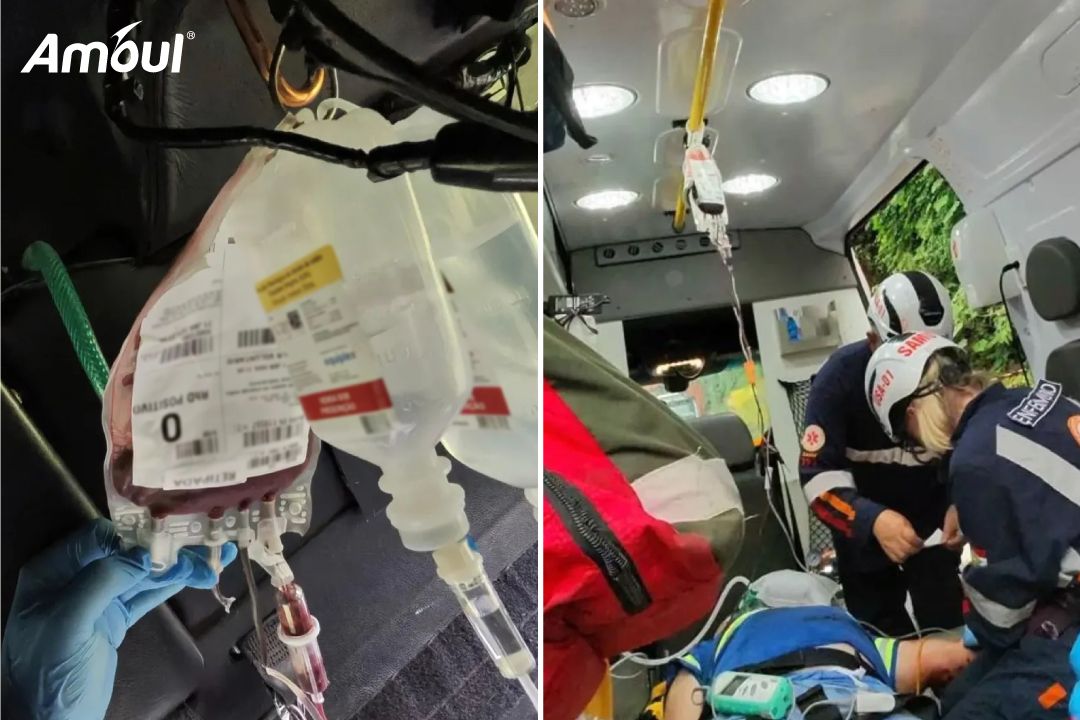
This rescue was not an isolated event. In Chapecó alone, SAMU 192's Whole Blood program, supported by the Amoul® CPR E6, has enabled eight successful transfusions, each case representing a life changed and a family spared grief. The data is clear: survival rates and patient outcomes improve when the best tools are available.
More broadly, these successes set a benchmark for emergency medical care not just in Brazil, but worldwide. Every minute saved, every life preserved, is a reminder that innovation in emergency response is not a luxury—it's a necessity.
Manual CPR, while effective, is subject to human limitations—fatigue, inconsistency, and environmental challenges. The Amoul® CPR E6 overcomes these hurdles, ensuring that every patient receives high-quality compressions regardless of circumstance. In high-stress, high-stakes environments, this reliability can mean the difference between full recovery and life-altering complications.
Moreover, the E6's integration with other lifesaving protocols—like real-time CO2 monitoring, synchronized ventilation, and blood transfusion—creates a comprehensive, modern approach to resuscitation. It's not just about saving lives in the moment, but about setting survivors on the path to the best possible recovery.
The Chapecó rescue is a story of hope, partnership, and progress. It highlights the critical importance of providing emergency teams with the latest lifesaving technology. As we celebrate the lives saved and the families kept whole, let's also recognize the ongoing need to invest in innovation. The Amoul® CPR E6 is more than a device—it's a promise that, when the unthinkable happens, our best tools and brightest minds will be ready to answer the call.
Every life saved is a testament to the power of innovation and preparation. The Amoul® CPR E6 is helping rewrite rescue stories—one heartbeat at a time. For emergency responders, healthcare leaders, and communities everywhere, the message is clear: the future of lifesaving begins with embracing the very best life support technology available.





 Back
Back