 English
 中文
中文 Pусский
 Español
  عربى
عربى Français
  Português
 Deutsch


-
Products
-
Solutions
- About Us
- Careers
- Exhibition Hall
-
Switch Language

On an ordinary afternoon in Shanghai, a routine soccer game at Sanlin Middle School turned into an extraordinary testament to the power of preparedness, teamwork, and the right equipment. When a man collapsed suddenly after a workout, quick-thinking bystanders and the availability of an Automated External Defibrillator (AED) transformed what could have been a tragedy into a life-saving miracle. This gripping rescue story underscores not only the importance of AEDs in public spaces, but also the critical need for first aid knowledge and rapid response in moments when every second counts.
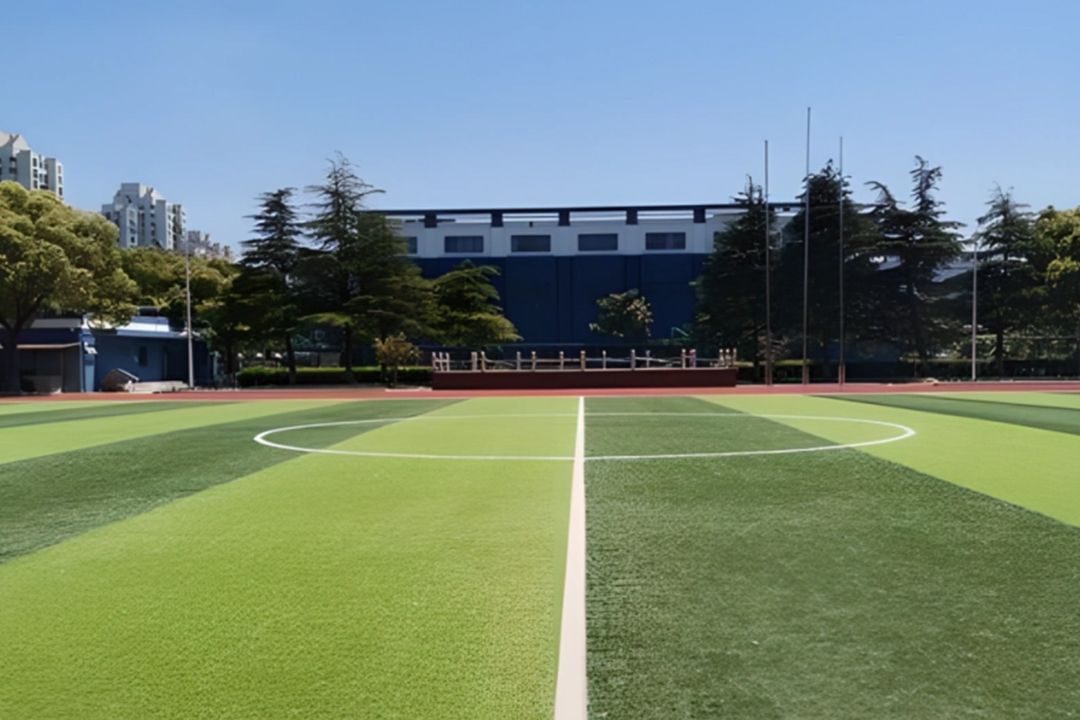
It was August 29, 2026—a typical day at Sanlin Middle School's soccer field in Shanghai’s Pudong New Area. Amid the shouts and cheers, one man, having just finished his workout, decided to rest on the sidelines. Suddenly, he collapsed. Teammates rushed over and quickly realized the gravity of the situation: he was unresponsive and breathing abnormally. Immediate assessment revealed he was suffering from sudden cardiac arrest, a condition where the heart abruptly stops beating and, without rapid intervention, often results in death within minutes.
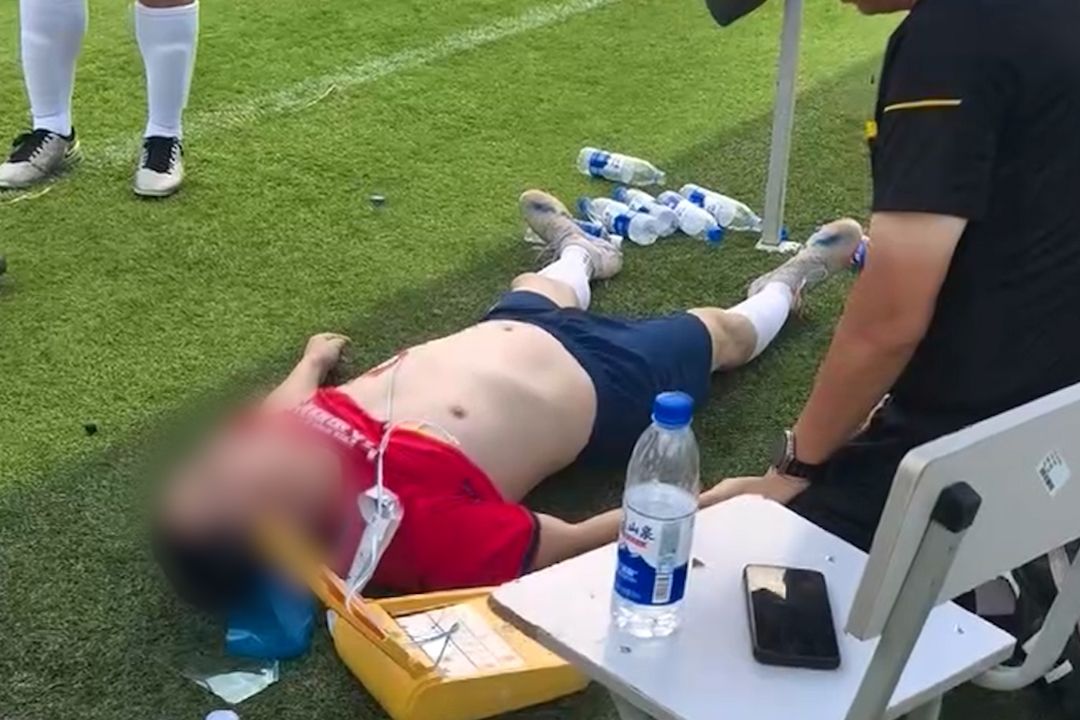
In those crucial first moments, chaos could have prevailed. Instead, Mr. Cheng, a fellow player, sprang into action. Without hesitation, he dashed to his car—a 300-meter round trip—to retrieve the AED he always kept on hand. This small device would become the difference between life and death.
Mr. Cheng powered on the AED, quickly dried the patient's skin, applied the electrode pads, and followed the device's voice prompts. Within moments, the AED analyzed the heart rhythm and advised a shock. Mr. Cheng administered it, then immediately performed chest compressions. While he worked, medical personnel, the referee, and other teammates coordinated seamlessly to ensure the rescue attempt was as efficient as possible.
The outcome? A single shock successfully reversed the patient's ventricular fibrillation, one of the deadliest heart rhythm disturbances. The man regained spontaneous circulation even before emergency medical services arrived. When paramedics took him to the hospital, doctors discovered he had a 90% blockage in a major coronary artery—a silent, high-risk condition that could have claimed his life had it not been for the rapid intervention.
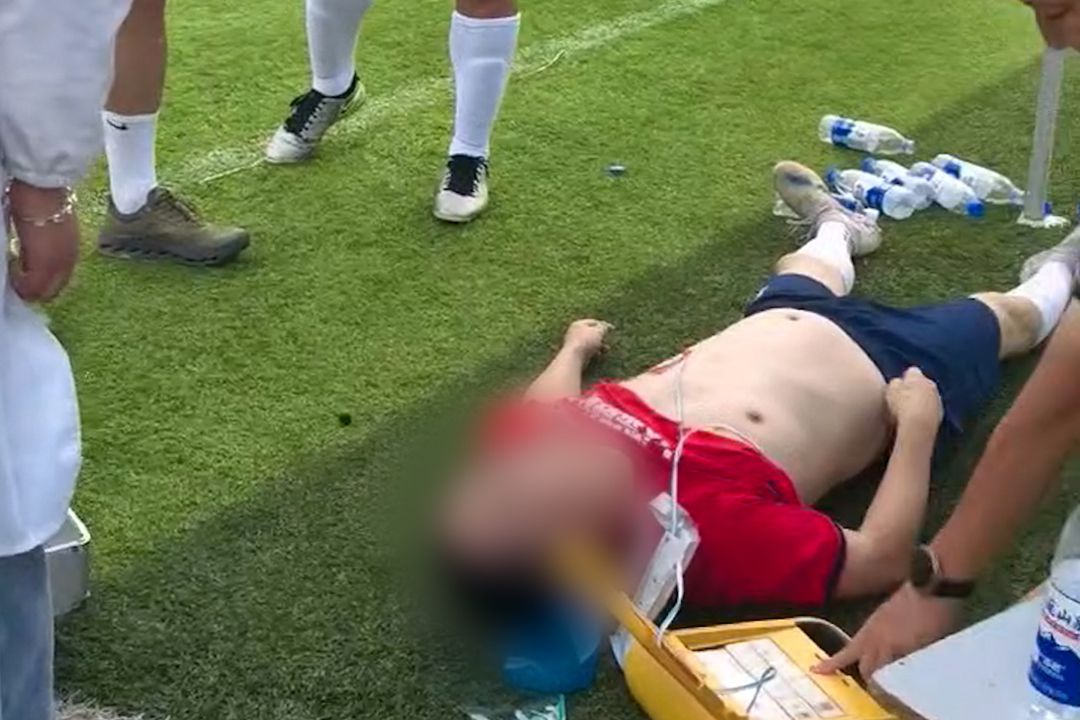
The AED that played a pivotal role in this rescue was an "Amoul® i3" model, purchased by Mr. Cheng just months earlier. He had acquired it from an online store, driven by a sense of responsibility for his own health and those around him. "Most of us are the main pillars of our families; we simply cannot afford for accidents to happen," he explained. It was a decision that, though made out of caution, became the linchpin in saving a life.
Following the incident, Mr. Cheng kept a low profile despite numerous media requests. He expressed deep satisfaction at the outcome, noting that the investment in the AED had been more than worthwhile. The device manufacturer, recognizing the heroic use of their product, offered to replace the used electrode pads free of charge. Moved by the real-life rescue, several of Mr. Cheng's friends have since purchased the same AED model, inspired by the demonstration of its life-saving potential.
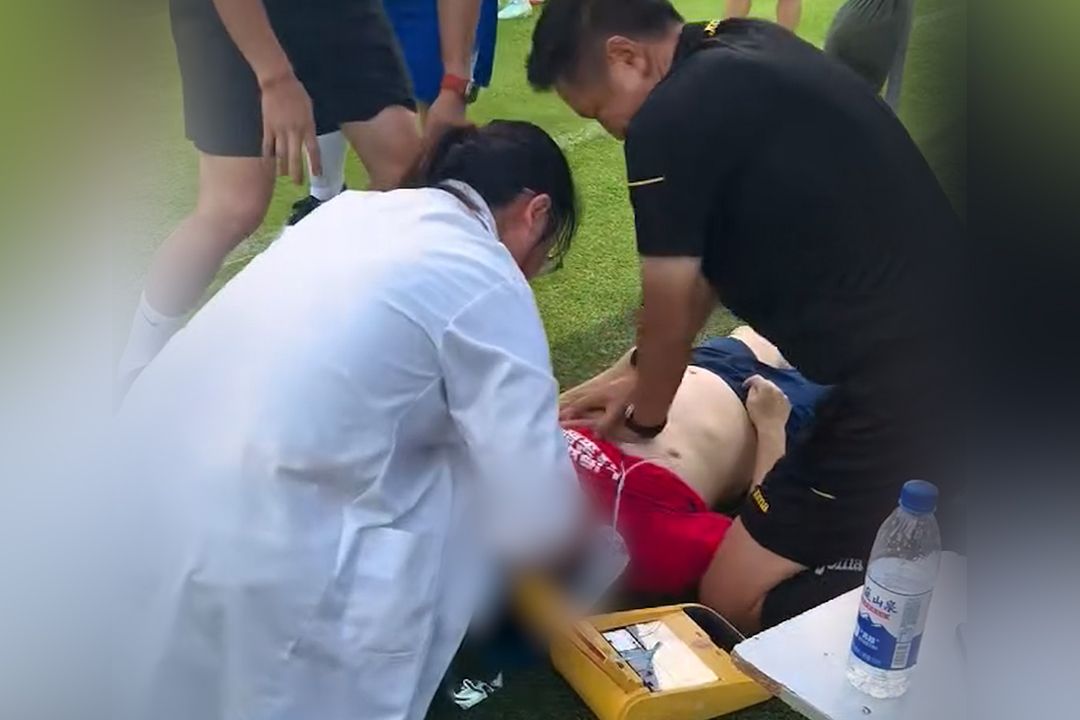
The success of the rescue effort was not just due to the AED, but also to the prompt and proficient first aid administered by everyone present. As soon as the man collapsed, fellow players sprang into action. They retrieved the AED, followed the voice prompts, and performed high-quality CPR immediately after the shock. From retrieving the AED to handing the patient off to emergency services, every step was orderly and coordinated—an ideal response that is all too rare in real-world emergencies.
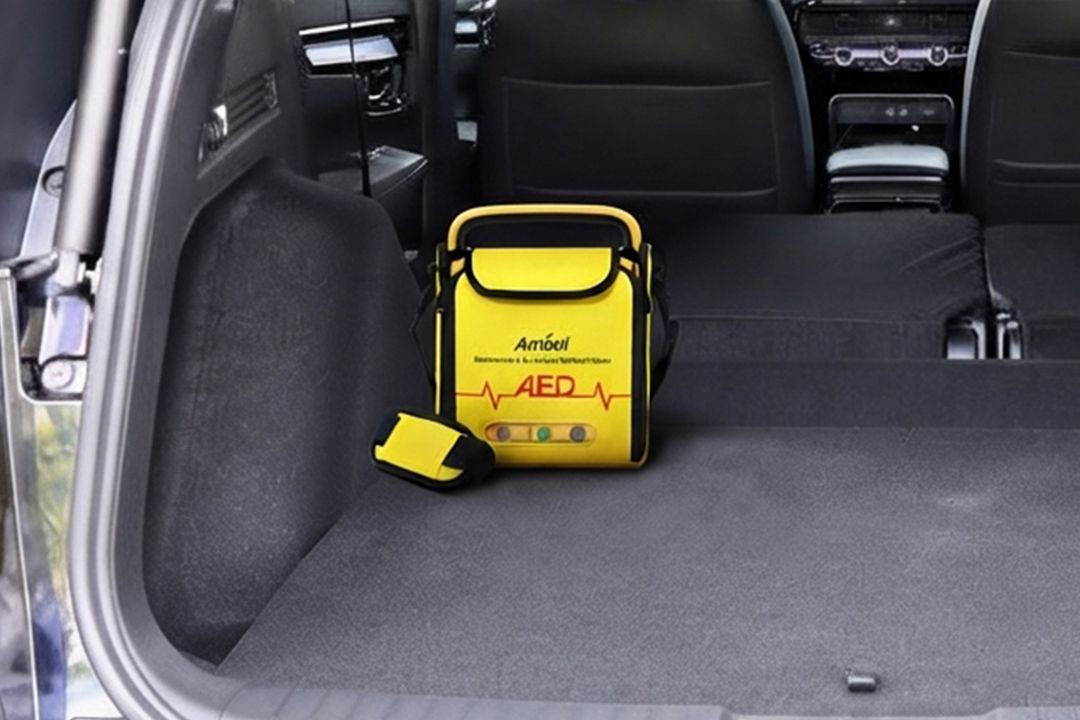
This story is particularly poignant in China, where sudden cardiac death claims approximately 1.03 million lives each year—about two deaths every minute. Despite advances in medical technology, the survival rate for out-of-hospital cardiac arrests remains below 1%. The main reason? AEDs are often unavailable during the critical "golden four minutes," or bystanders lack the knowledge or confidence to act.
The rescue at Sanlin Middle School is a stark reminder of what's possible when the right tools and training are available. It shows the urgent need for more AEDs in public places and for widespread first aid education. Every second counts, and every bystander has the potential to become a hero.
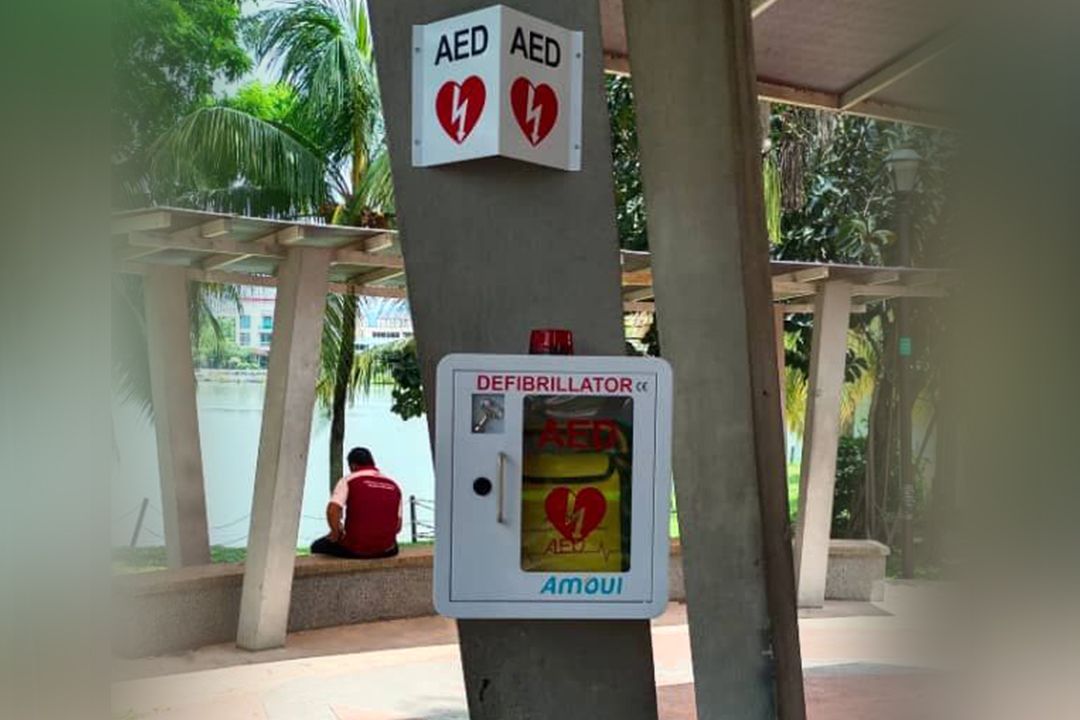
The impact of this rescue goes far beyond one saved life. It has inspired others to invest in AEDs, sparked conversations about the importance of first aid, and demonstrated that ordinary people can do extraordinary things. Preparedness, courage, and community spirit turned a potential tragedy into a beacon of hope.
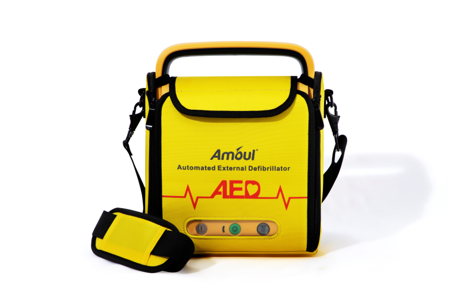
This real-life rescue story on a Shanghai soccer field is a powerful call to action. It demonstrates that life-saving miracles are possible when people are equipped with the right knowledge, tools, and the willingness to act. As we advocate for more AEDs in public spaces and greater awareness of first aid, we strengthen the safety net for everyone. Let Mr. Cheng's story inspire us: being prepared isn't just about personal safety—it's about building a community where anyone can be a lifesaver when it matters most.





 Back
Back